



Contemporary Throwback - A conversation with Allan Kruse
Before resale became a category.
Before “vintage” became a search filter.
There were people quietly digging through piles of clothing, looking for stories.
Allan Kruse is one of them.
A longtime branding specialist and denim obsessive, Allan has spent more than four decades in fashion, beginning with a small second-hand boutique he opened at just fifteen years old in Kolding, Denmark. Long before vintage culture became mainstream, he was already collecting Americana, army surplus, music merchandise, and worn-in jeans that carried the marks of other lives.
Later, Allan helped introduce Levi's across the Nordic market, building on a fascination with denim not just as clothing, but as cultural artifact tied to rebellion, youth movements, music, and the heroes who wore it.
For our Contemporary Throwback theme, we sat down with Allan to talk about time, style, freedom, and why clothing is never just clothing.

Video
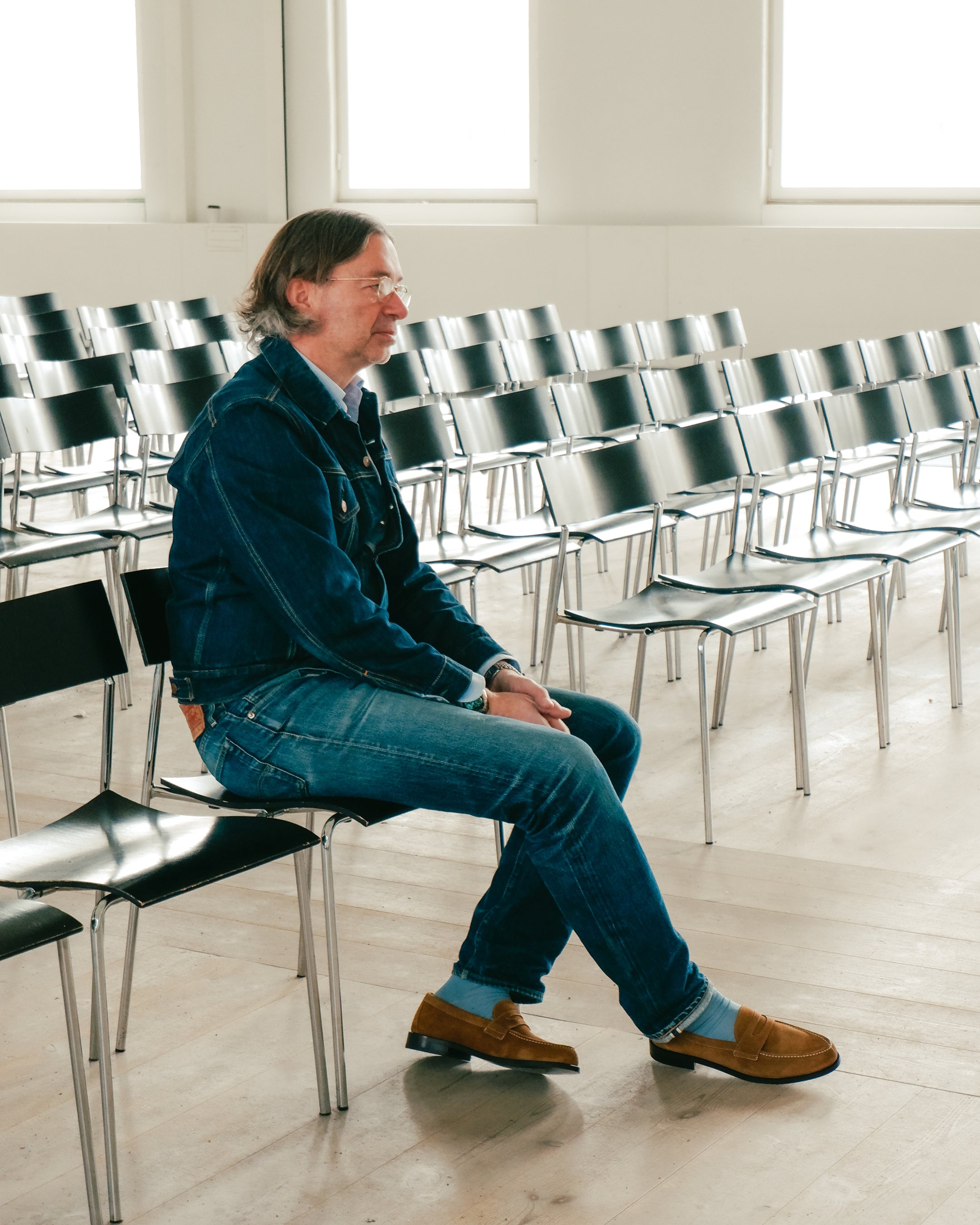
Let’s start simple. Who are you?
My name is Allan Kruse. I’m a branding specialist, and I’ve worked in the fashion business for more than thirty years - actually closer to forty.
I started very early. When I was fifteen, I opened my first boutique in Kolding, in the western part of Denmark. At the time we called it second-hand clothing - today people would call it vintage.
I sold Americana, baseball jackets, basketball shirts, army clothing, badges, punk pieces from London, and music merchandise. All kinds of things connected to youth culture.
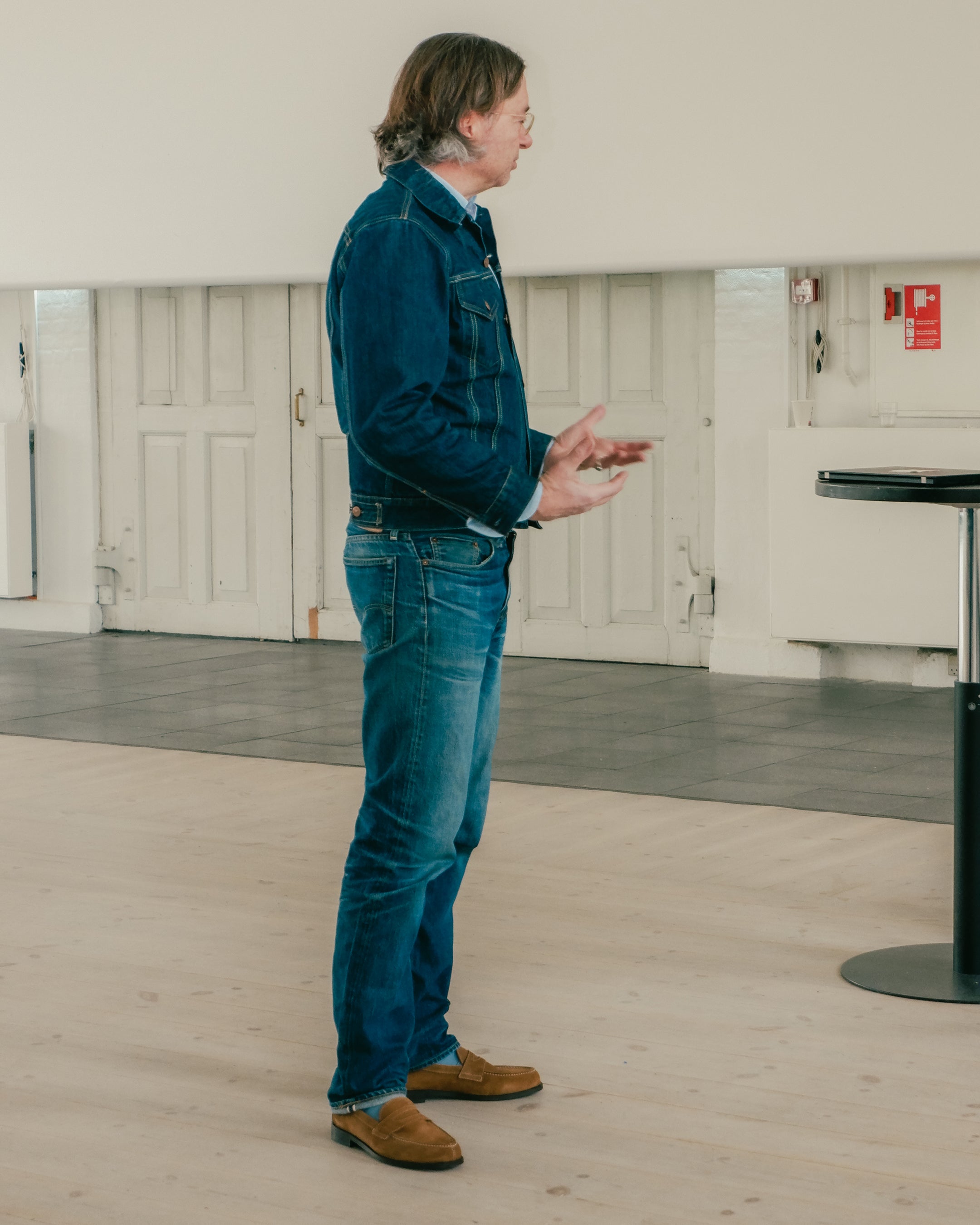
Opening a second-hand store at fifteen sounds unusual. How did that happen?
I grew up in the countryside, on a farm. When you grow up around tractors and animals, opening a clothing boutique is not the obvious next step.
But my mother had just opened a boutique, and my father had recently left the army and bought two shoe stores. So fashion and retail were already around us.
We went to trade fairs together, and after a trip to London we saw what was happening on Carnaby Street. It was electric. My father said: “Maybe this is something you should try.”
So I borrowed some money from my parents and opened a shop. At the time it was one of the very few places in Denmark selling vintage clothing like that.
But in the early eighties something changed. Styling became more important than design itself. People started mixing things and creating their own look.

How did people react?
It was quite unusual.
None of my friends had businesses, so people looked at me like: Who is this guy?
I also dressed differently. I was very influenced by New Wave and avant-garde style. I wore worn-out old jeans, Italian experimental denim, military clothing, M51 pants.
Everything was very different from what people were used to.
Looking back - do people understand vintage and style differently today?
Yes, very much.
Today people understand that the brand name is not the most important thing. What matters more is personal style; that you stand for something.
Back in the seventies there was still a lot of focus on classic luxury. People wanted Yves Saint Laurent, Chanel, Armani. Those things were untouchable. But in the early eighties something changed. Styling became more important than design itself. People started mixing things and creating their own look.
Now we see that again. Especially because of streetwear over the last 10-15 years. Many of the designers in streetwear are deeply influenced by vintage culture. They understand that these garments have already been tested by time. And if you tweak them slightly, you can create something modern that still carries that spirit.
Another major part of your career was helping introduce Levi’s across the Nordics. What made denim so fascinating to you?
It started when I began collecting vintage clothing.
Sometimes you would find something in the pocket of a jacket: a certificate, an old coin, maybe a driver’s license. Suddenly the garment had a life behind it.
Jeans were especially powerful in that way.
To me, denim’s success isn’t about gold mines or industry history. It’s about youth. Rebellion. Counterculture.
After the Second World War, many young people rejected suits because suits represented the generation that created the war.
Jeans became a symbol of something different.
You had beatniks, punks, mods, skinheads. Heroes like Sid Vicious or Bob Marley. Entire cultures expressed themselves through denim.
That’s what fascinated me. My own DNA comes from those heroes: musicians, film characters, people you watched on stage or on screen and thought: that’s how you want to look.
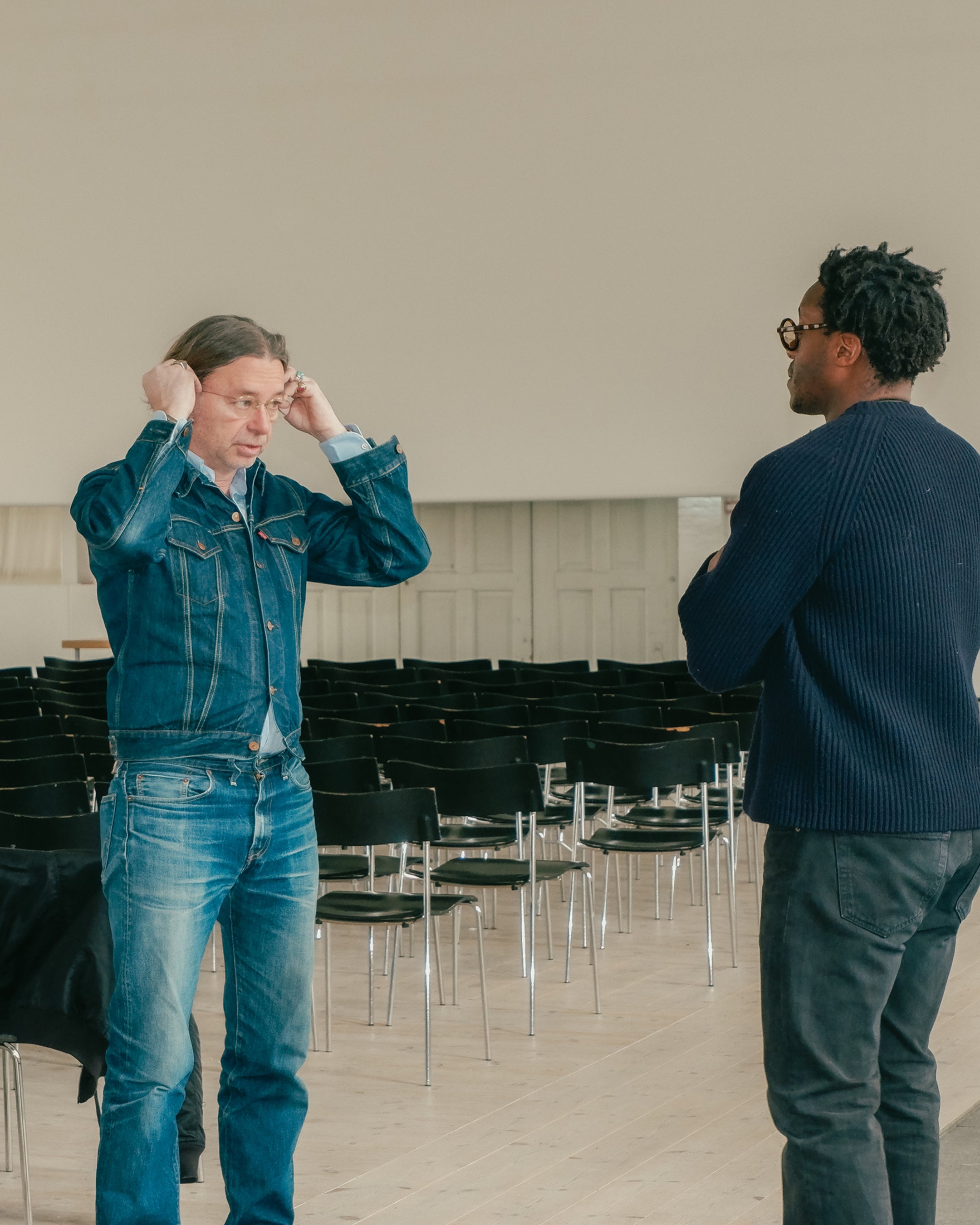
Do young people today have the same cultural references?
Not always.
Young people today are exposed to an enormous amount of information through digital media. But they often haven’t touched things in the same way we did.
Forty years ago you had to search. Turn every page. Travel. Dig through records. Try to understand what was happening underground in London or Tokyo.
Today algorithms show you what you already like. Your horizon can become narrower.
The deep references - the ones you build through curiosity and exploration - are harder to develop unless you actively go looking for them.
If you could give one rule to the next generation, what should they never compromise on?
Freedom.
And curiosity.
Many young people today want success very quickly. They take on debt, buy property, lock themselves into systems early. And then suddenly they become prisoners of those decisions.
You should never compromise with your own freedom.
Allow yourself time. Allow yourself to fail. Allow yourself to explore.
Life moves quickly, and some things only come once. If you want to grow as a person, you have to stay curious and open to opportunities.
The contemporary part is important. You gather what works. You improve it. You adapt it. You keep the functionality and the spirit - but make it better for the present.
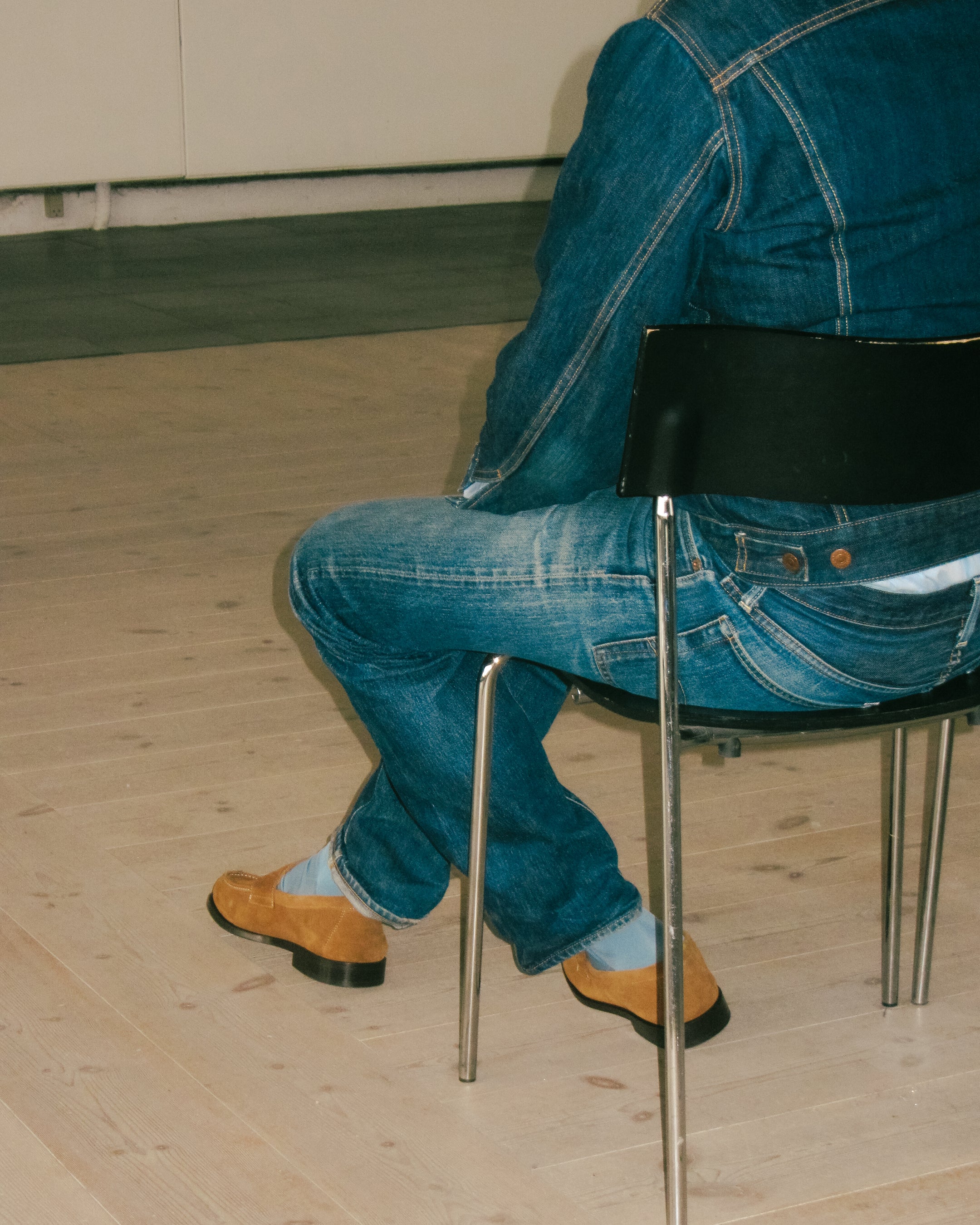
When do you notice that someone has style?
It’s difficult to define.
But you can often see when someone is genuinely interested. Clothing becomes a language for them.
One of my favorite writers, Umberto Eco, once said:
“I speak through my clothes.”
I think that’s very true.
Clothing tells you where someone belongs in the world. When people choose carefully, when they understand the references, you can see that they are speaking through what they wear.

And what does that say about masculinity today?
Taking care of yourself is probably the most important thing.
Masculinity isn’t about being big or strong. It’s about self-respect.
When you respect yourself, you take care of your life. You sleep well. You make your bed. You show up.
Your clothes can look rugged or polished, it doesn’t matter. What matters is that there is intention behind it.
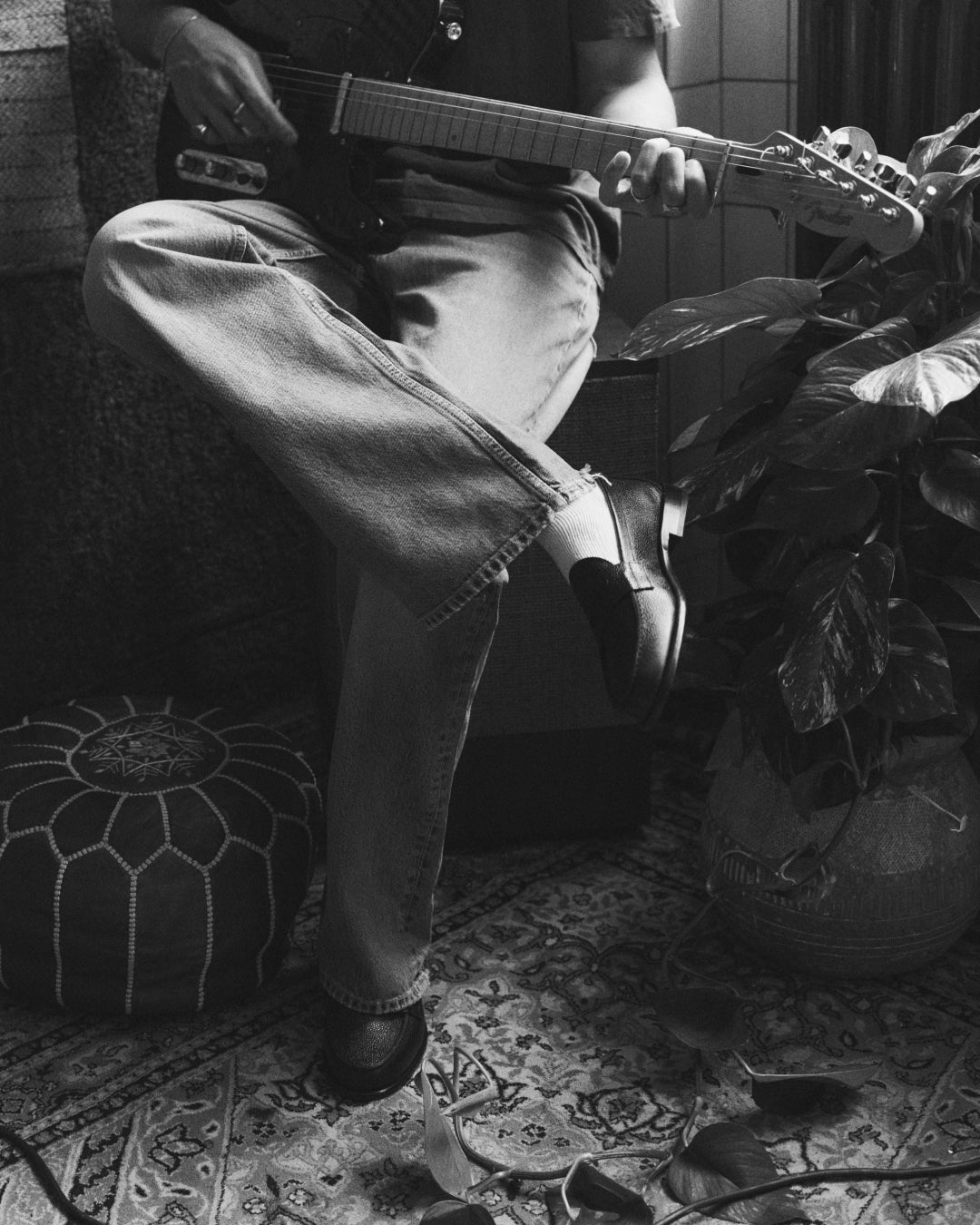
Our theme for this conversation is Contemporary Throwback. Is that something you look at or something you live?
You have to live it.
Otherwise it becomes imitation.
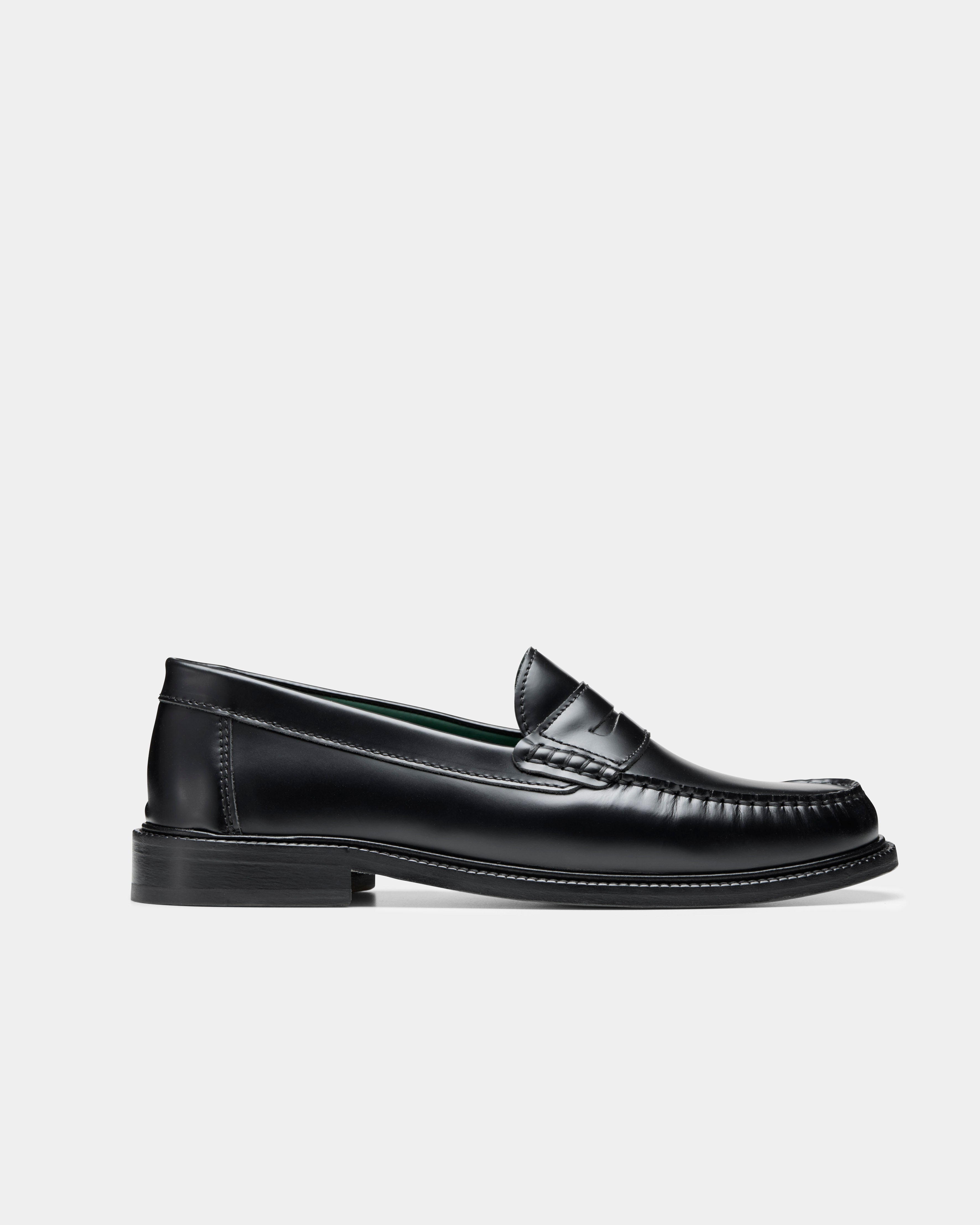
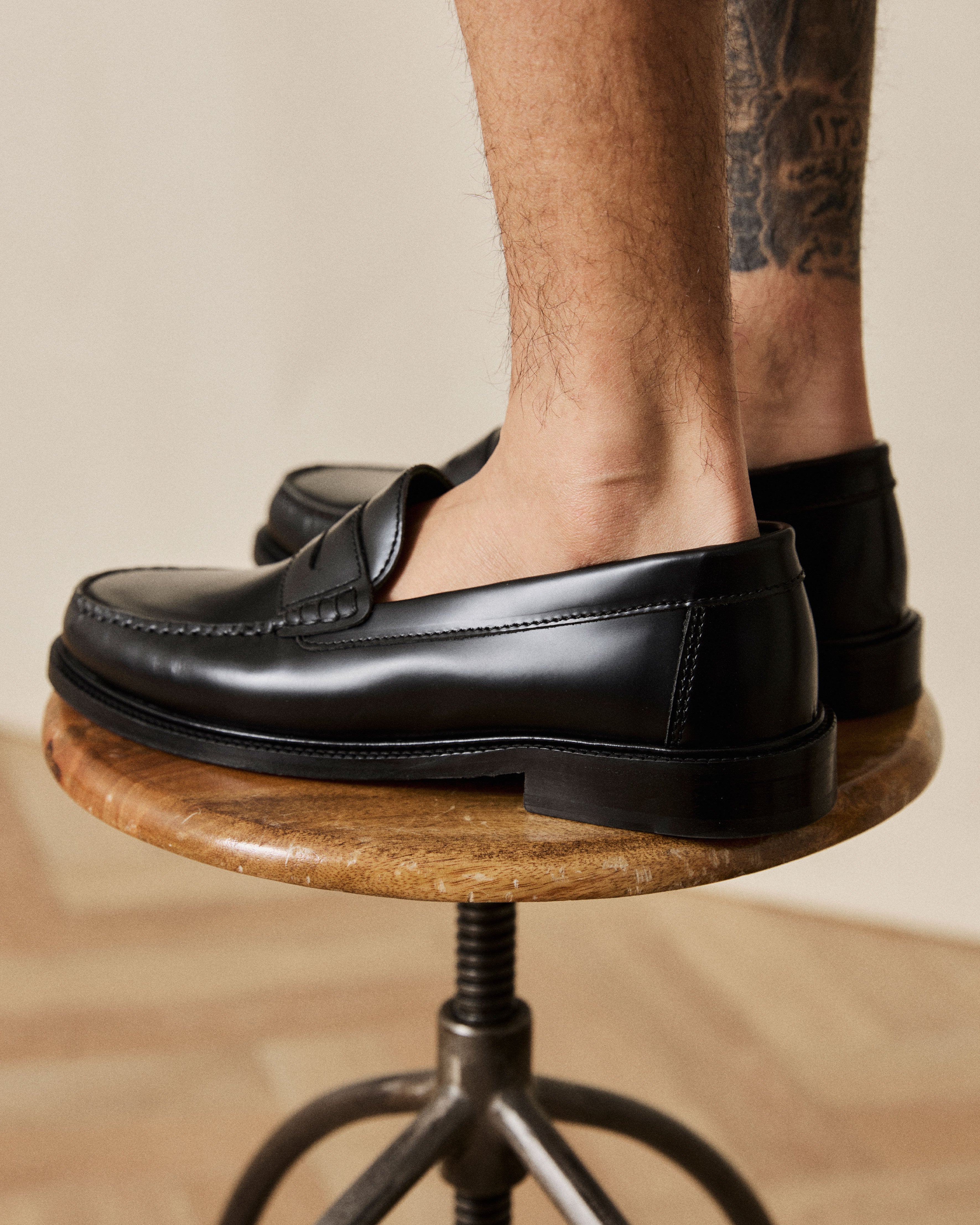
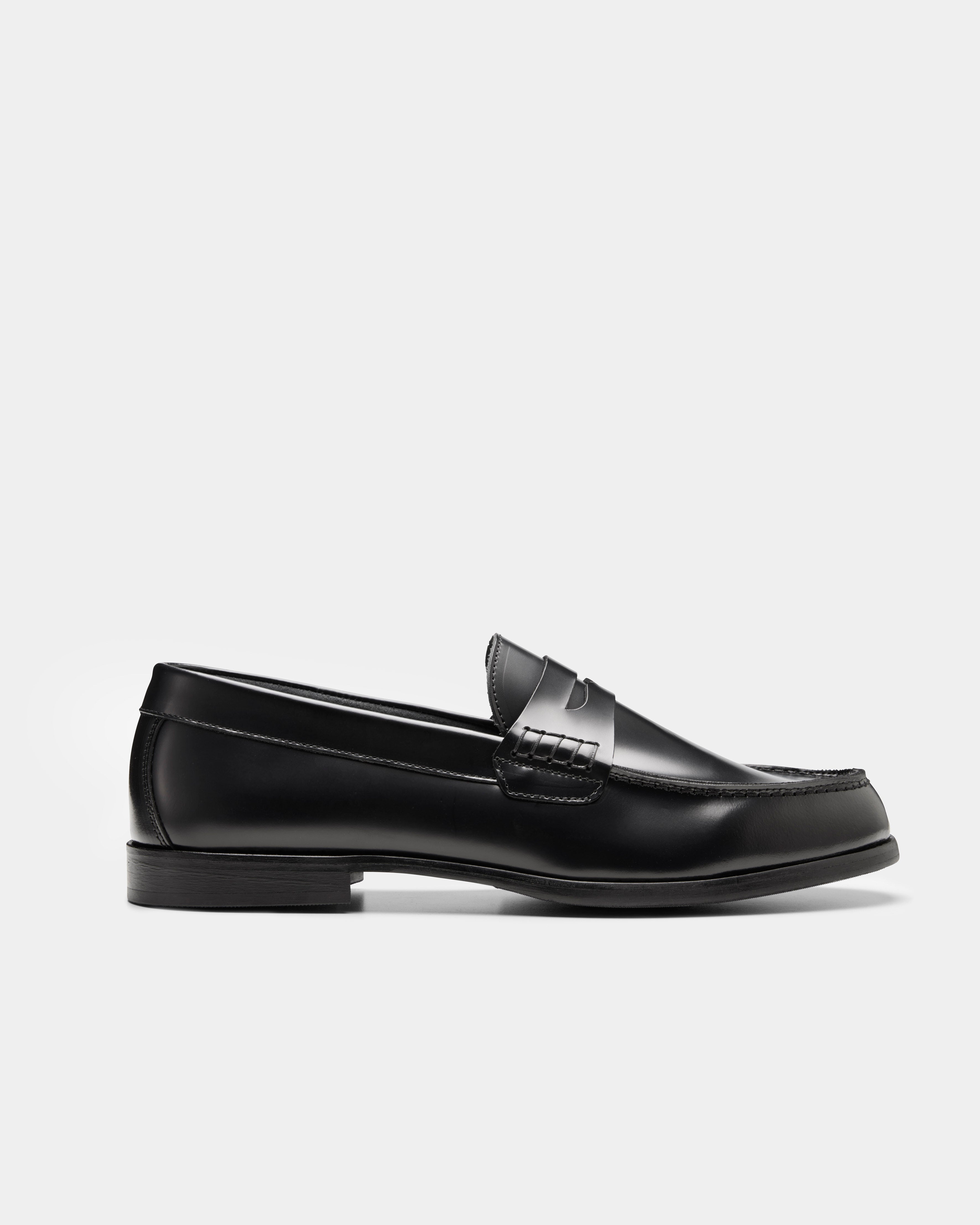
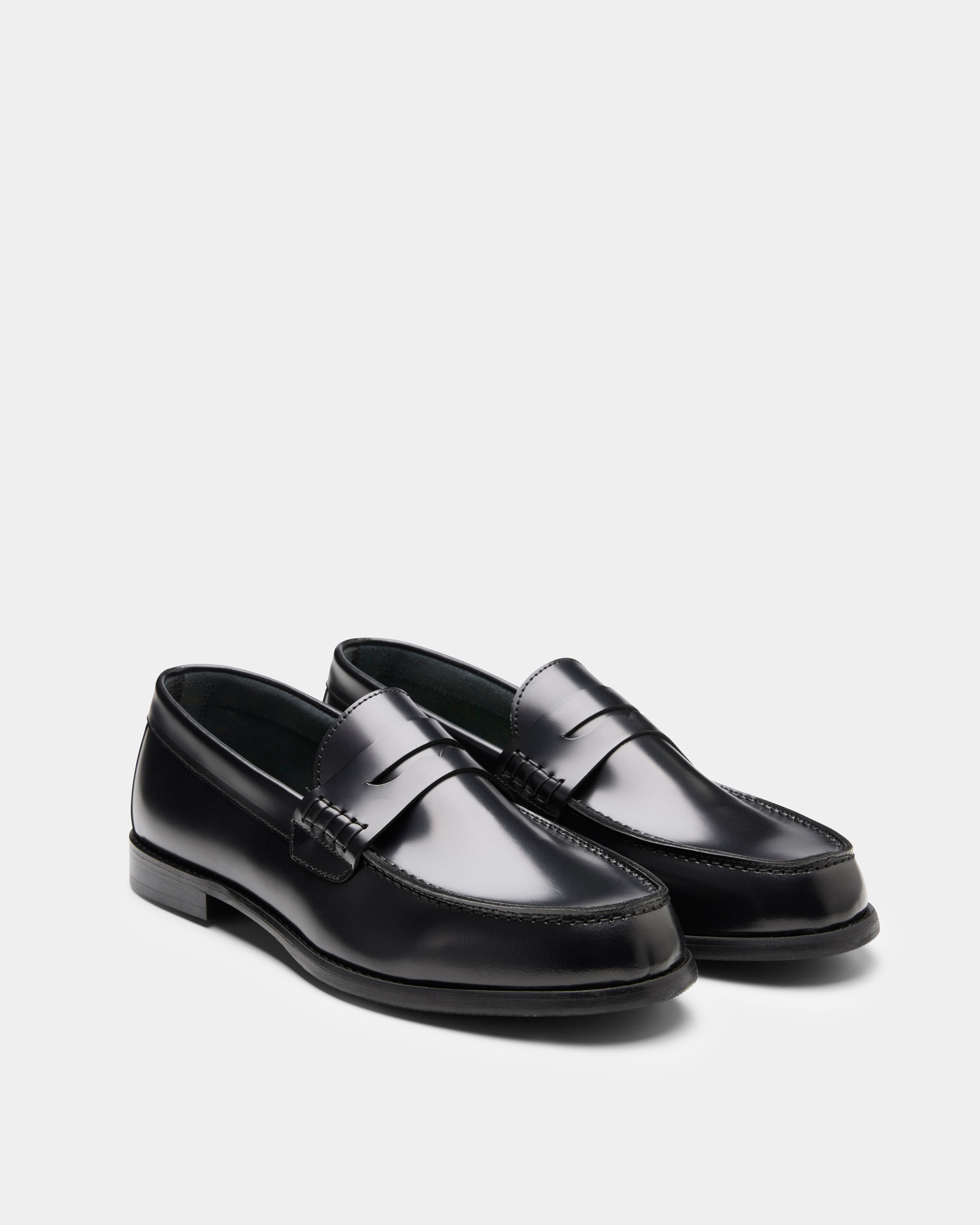
In fashion we’ve seen retro waves come and go since the early eighties. Sometimes in Europe people simply repeat the past. But the Japanese approach it differently. They study an old workwear piece, or a classic loafer, and ask: How can we adapt this for today and tomorrow?
There’s no reason to throw away a hundred years of good ideas. But there is also no reason to copy the past blindly.
The contemporary part is important.
You gather what works. You improve it. You adapt it. You keep the functionality and the spirit — but make it better for the present.
That’s how classics survive.
Read more

Stripes, light, quiet homes, and slow-cooked dinners. From Juventus’s kit to Turrell, a Utzon house, and a simple Italian supper - moments worth sitting with.

A look into Kinshasa through those who move within it. The Kin-Riders and Tato work in the open, shaped by the same streets, the same rhythm. Different expressions, shared ground.