

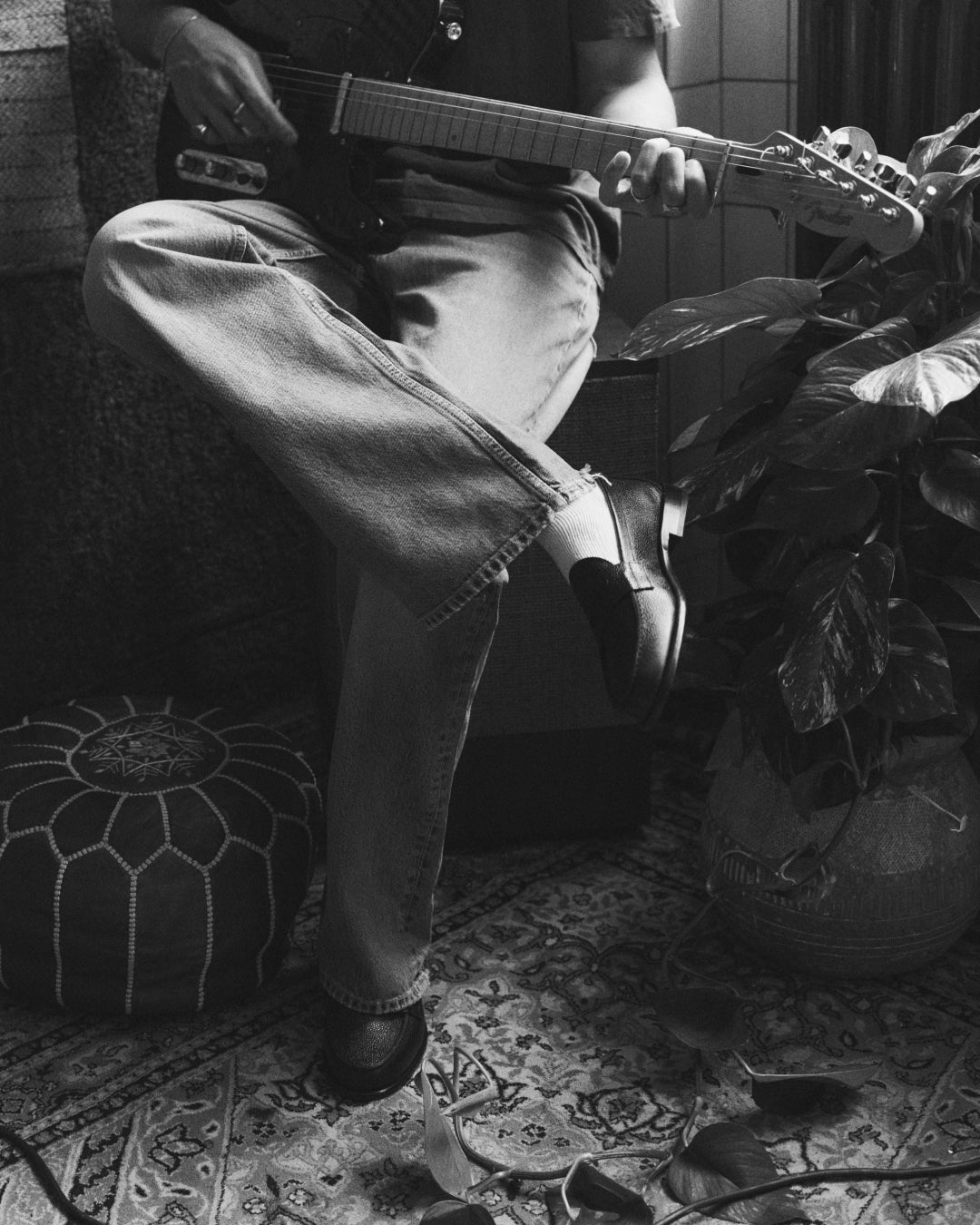

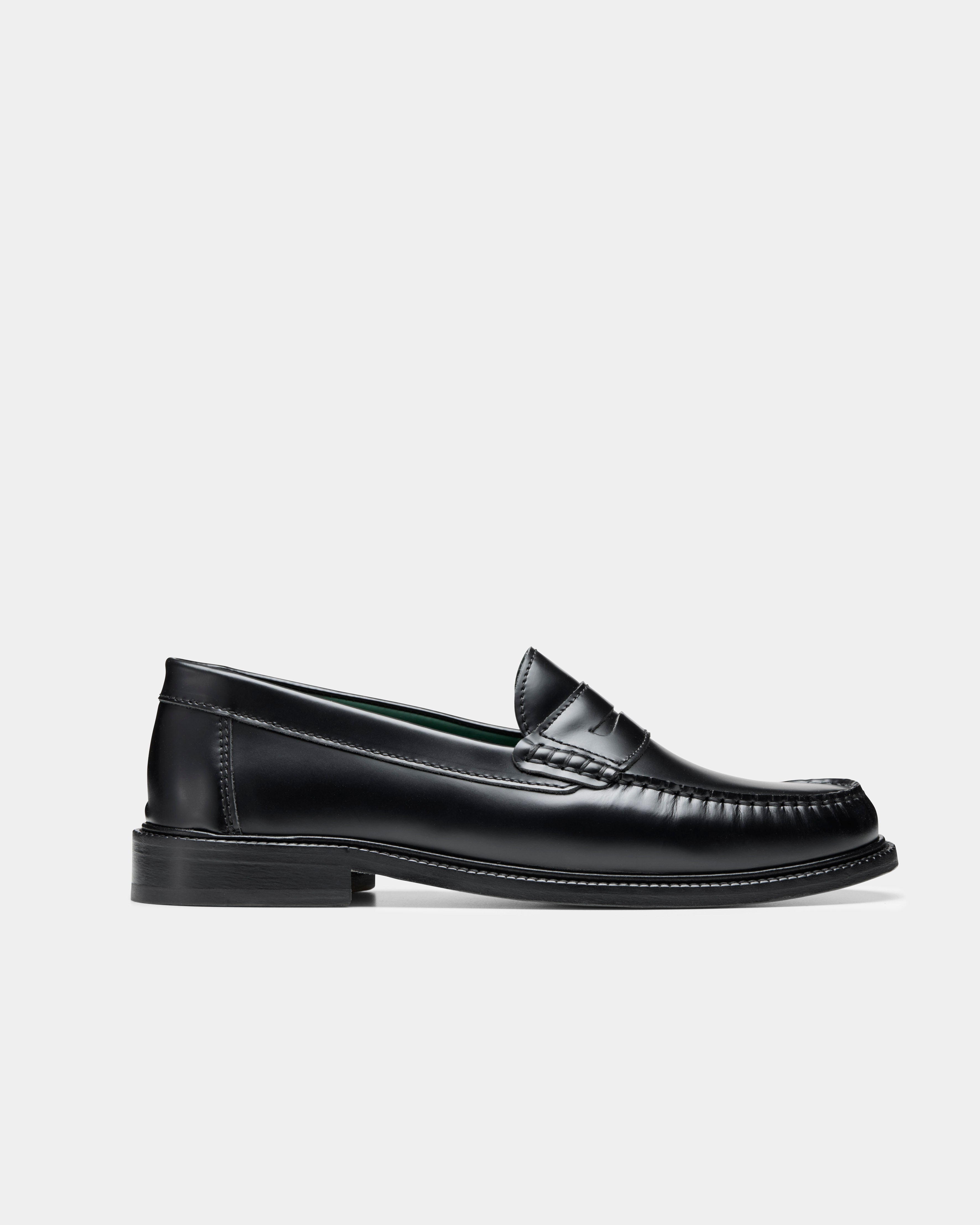
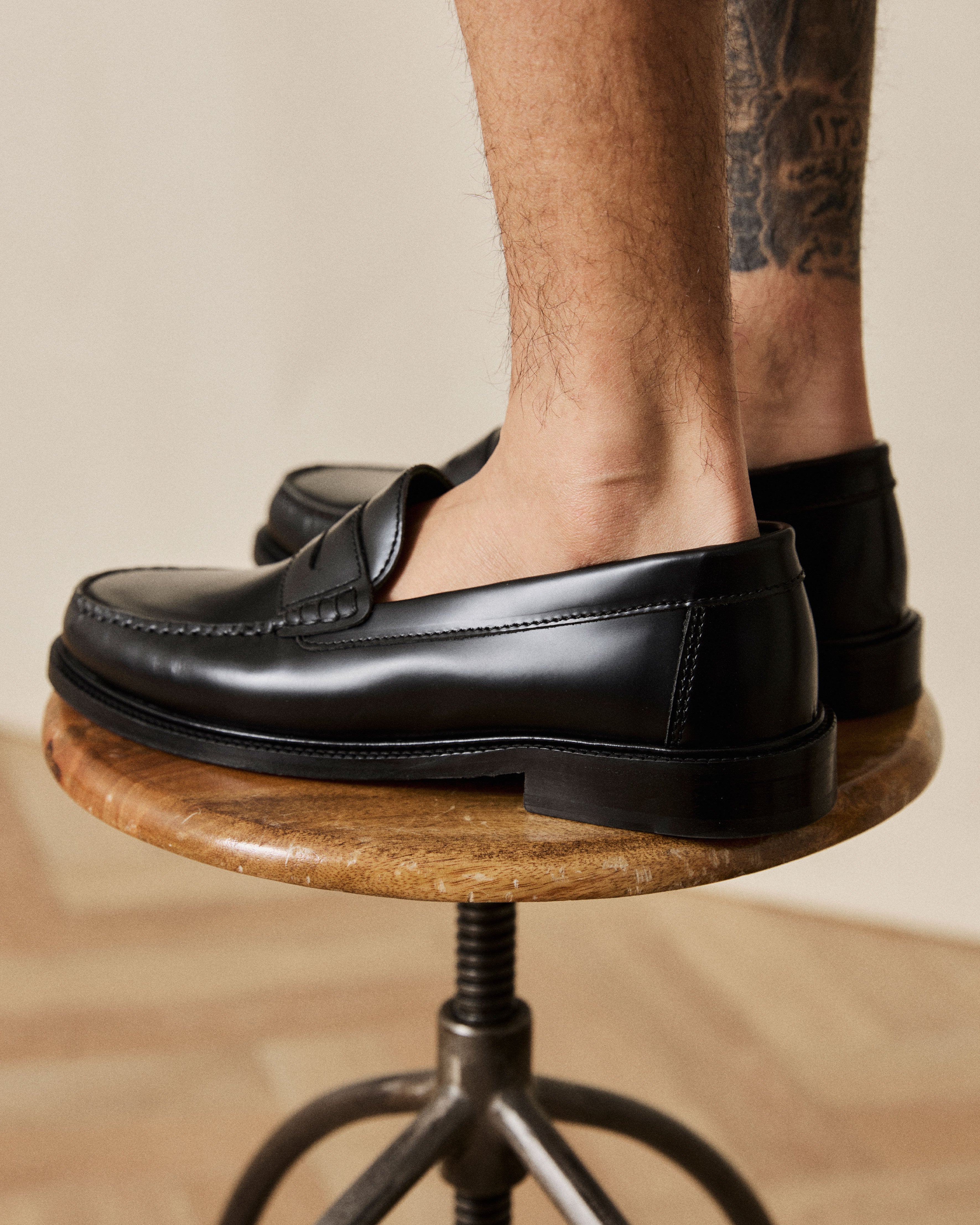
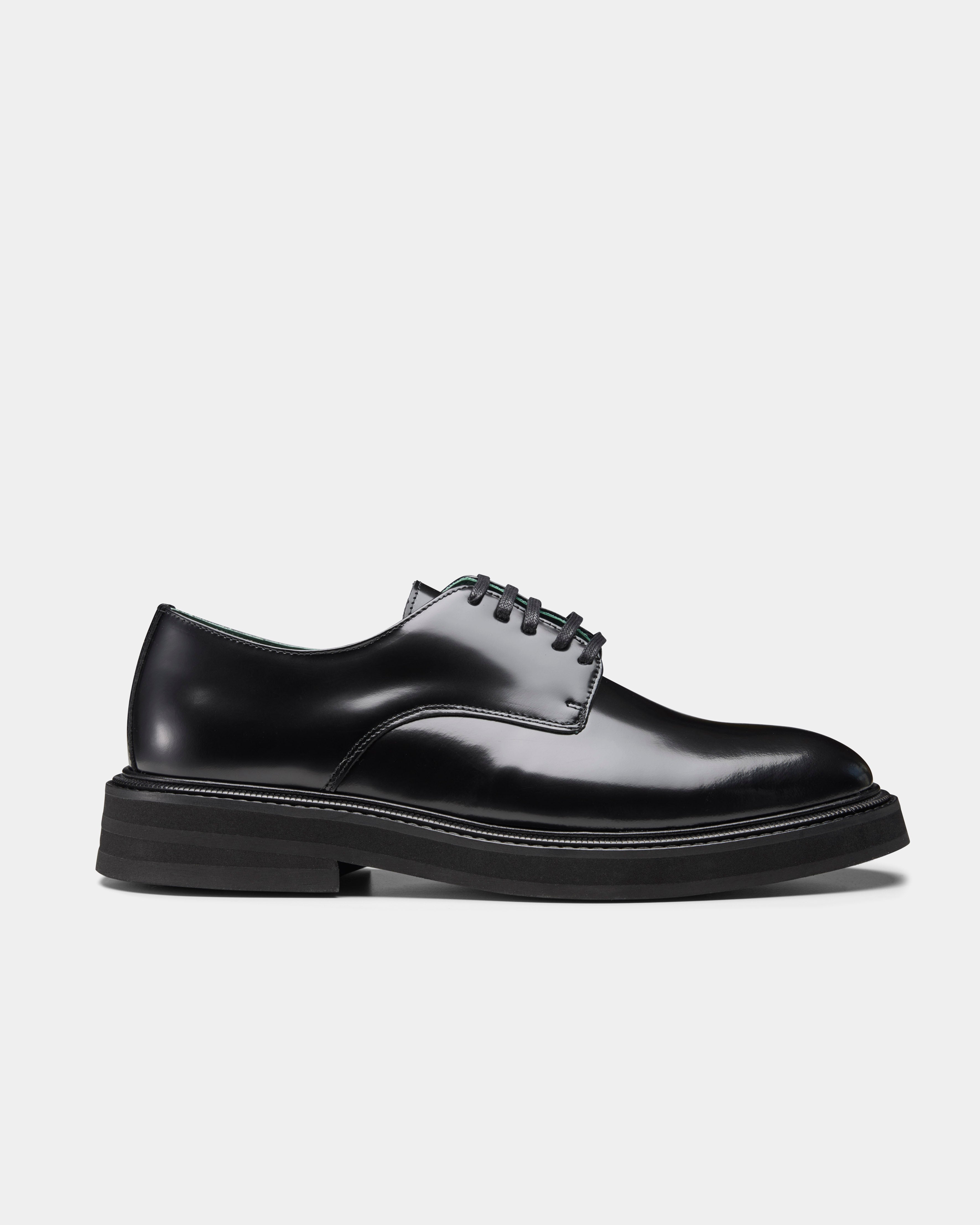

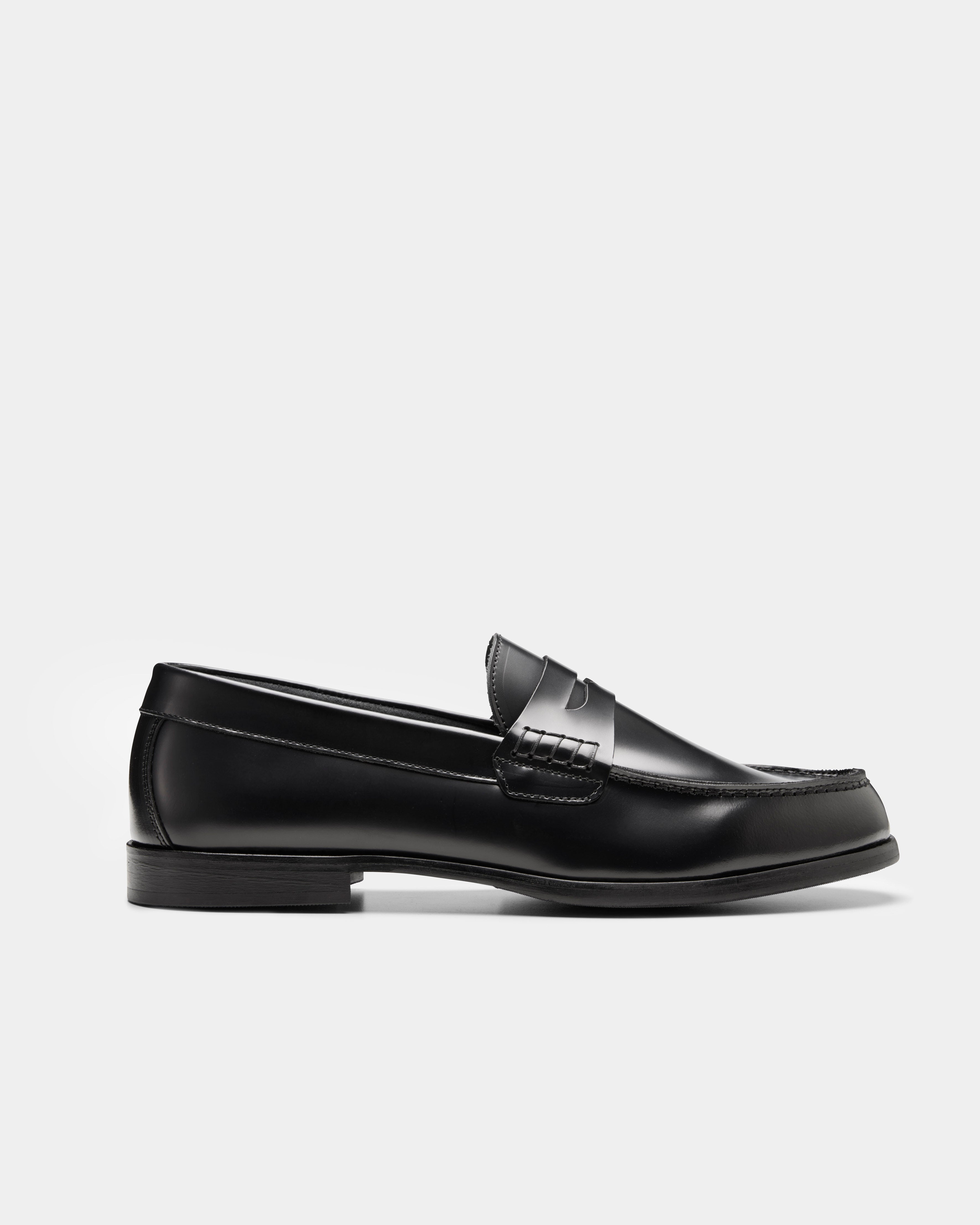
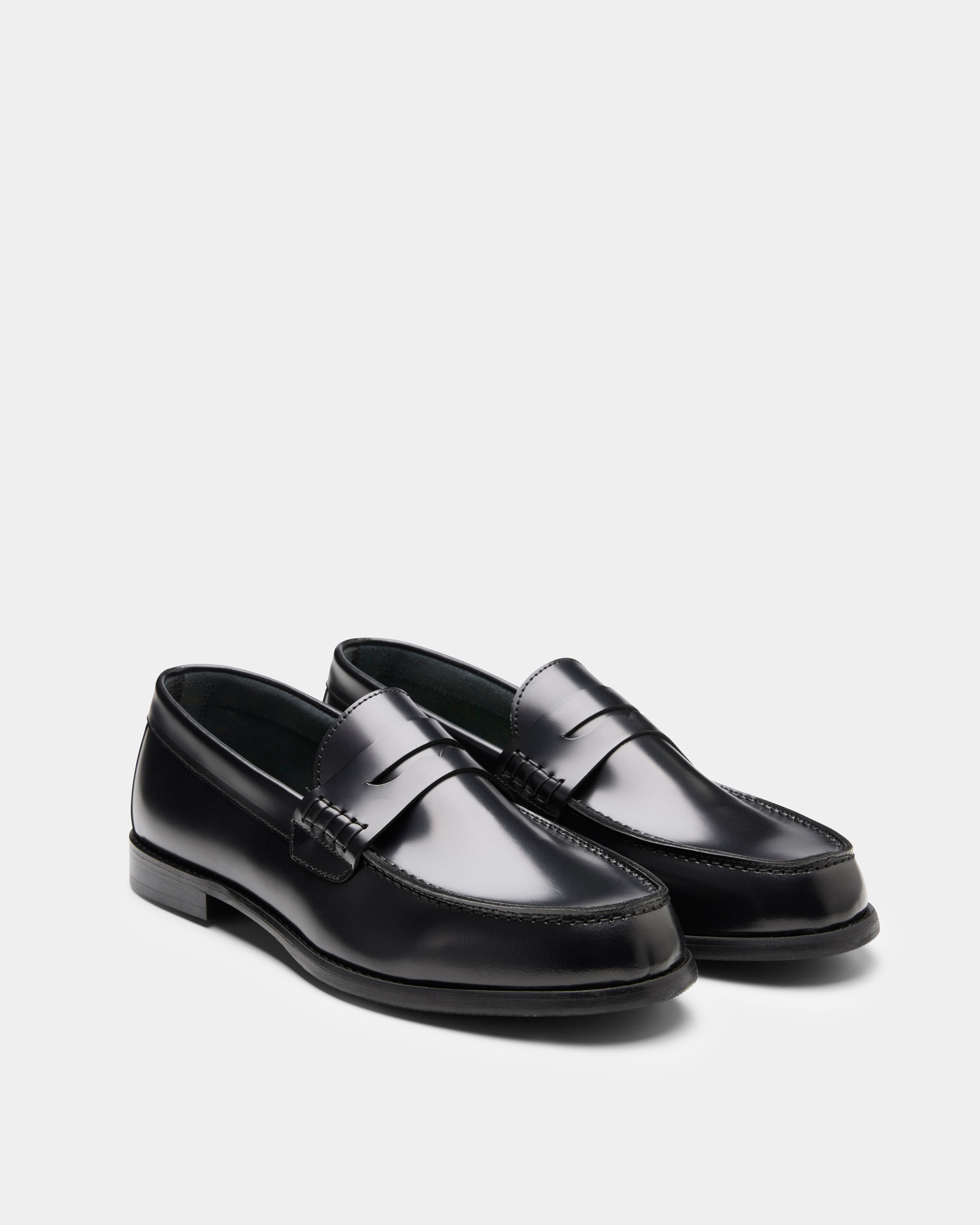
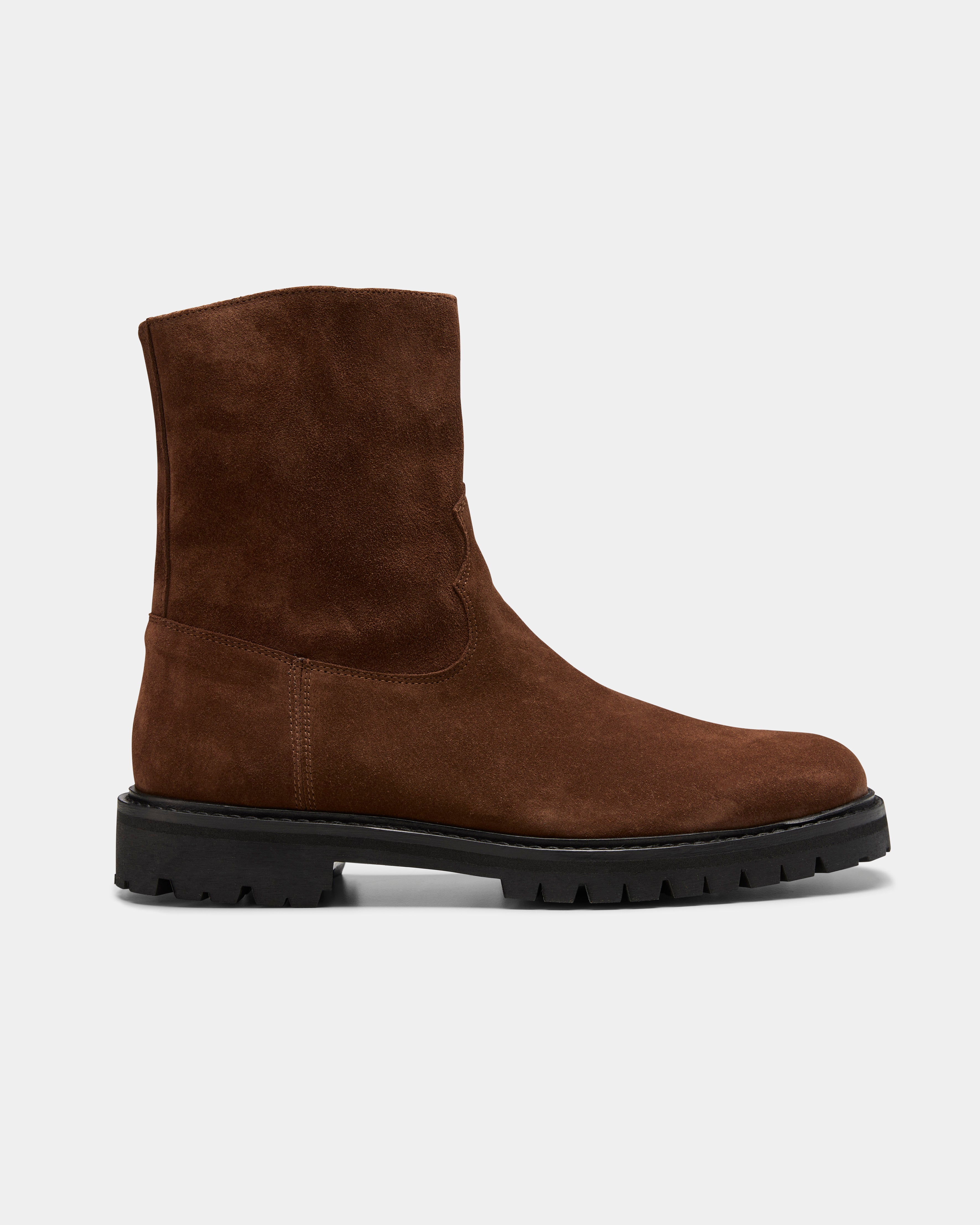
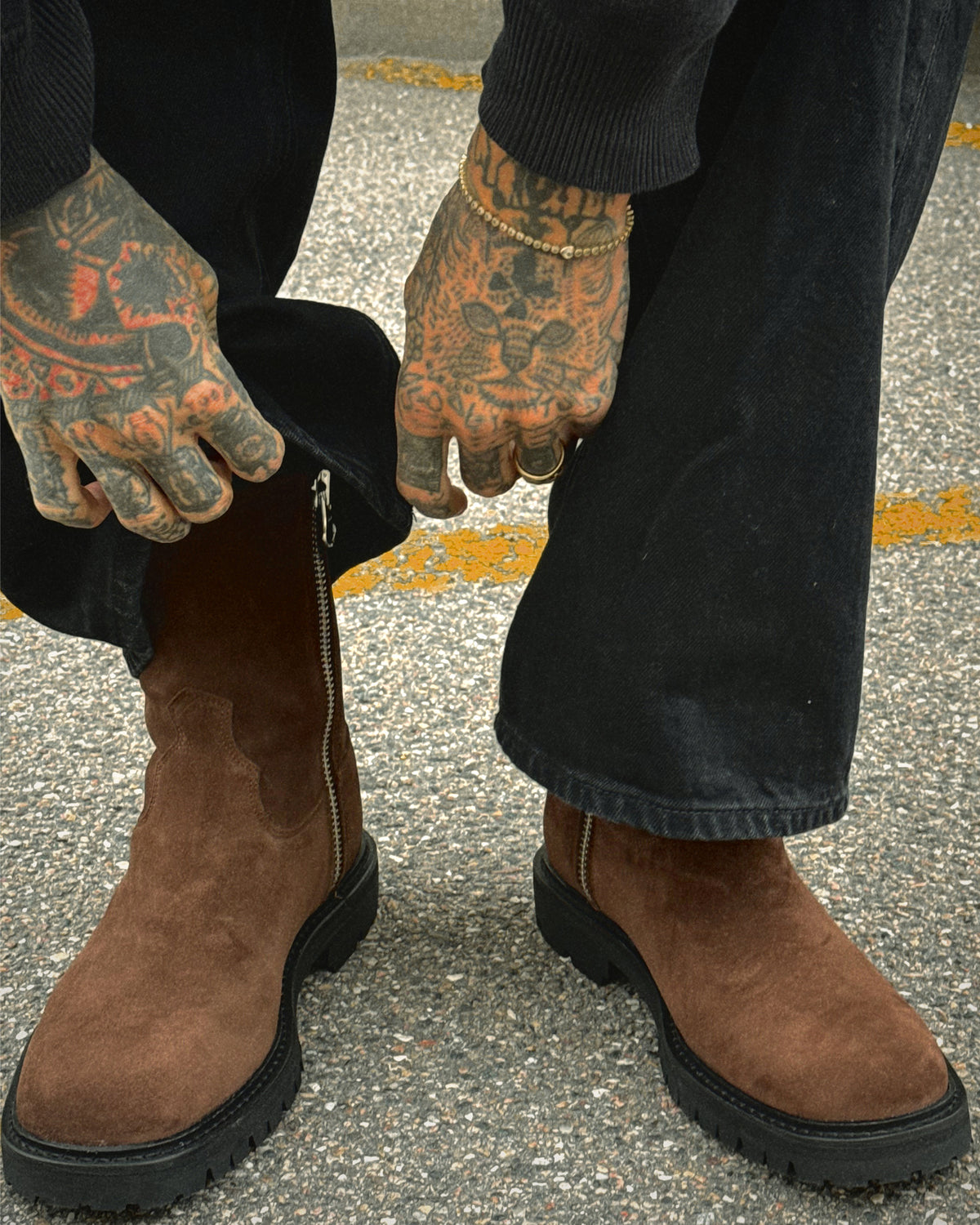
How to break them in.
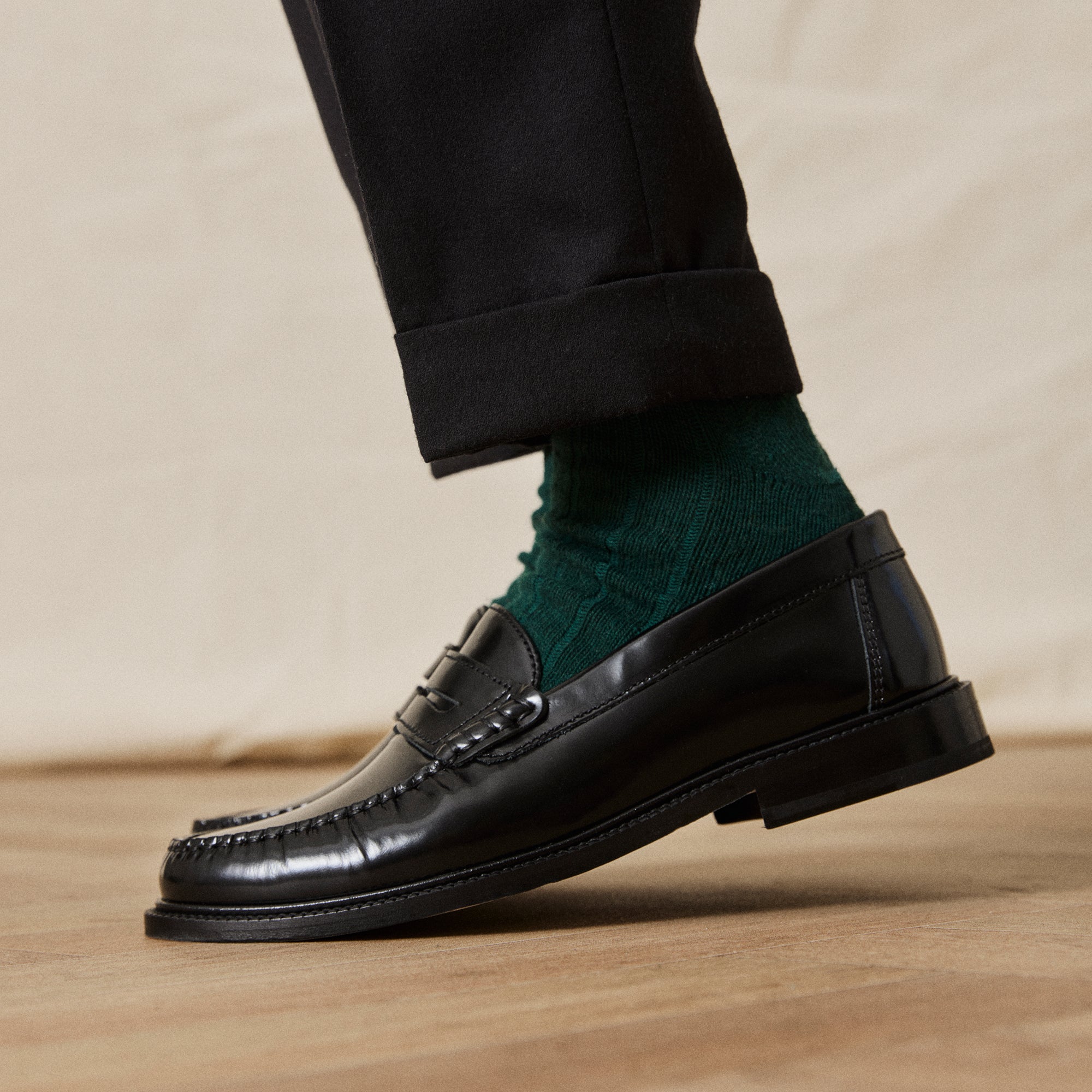
Loafers, derbies, and leather shoes in general are all about gradual, consistent wear. That's how they go from fresh out the box to the snug, broken-in beaters you'll swear by.
Start indoors
Wear your new pair around the house for 1-2 hours on the first few days. This lets the leather begin molding to your foot without committing to a full day outside.
Wear thick socks
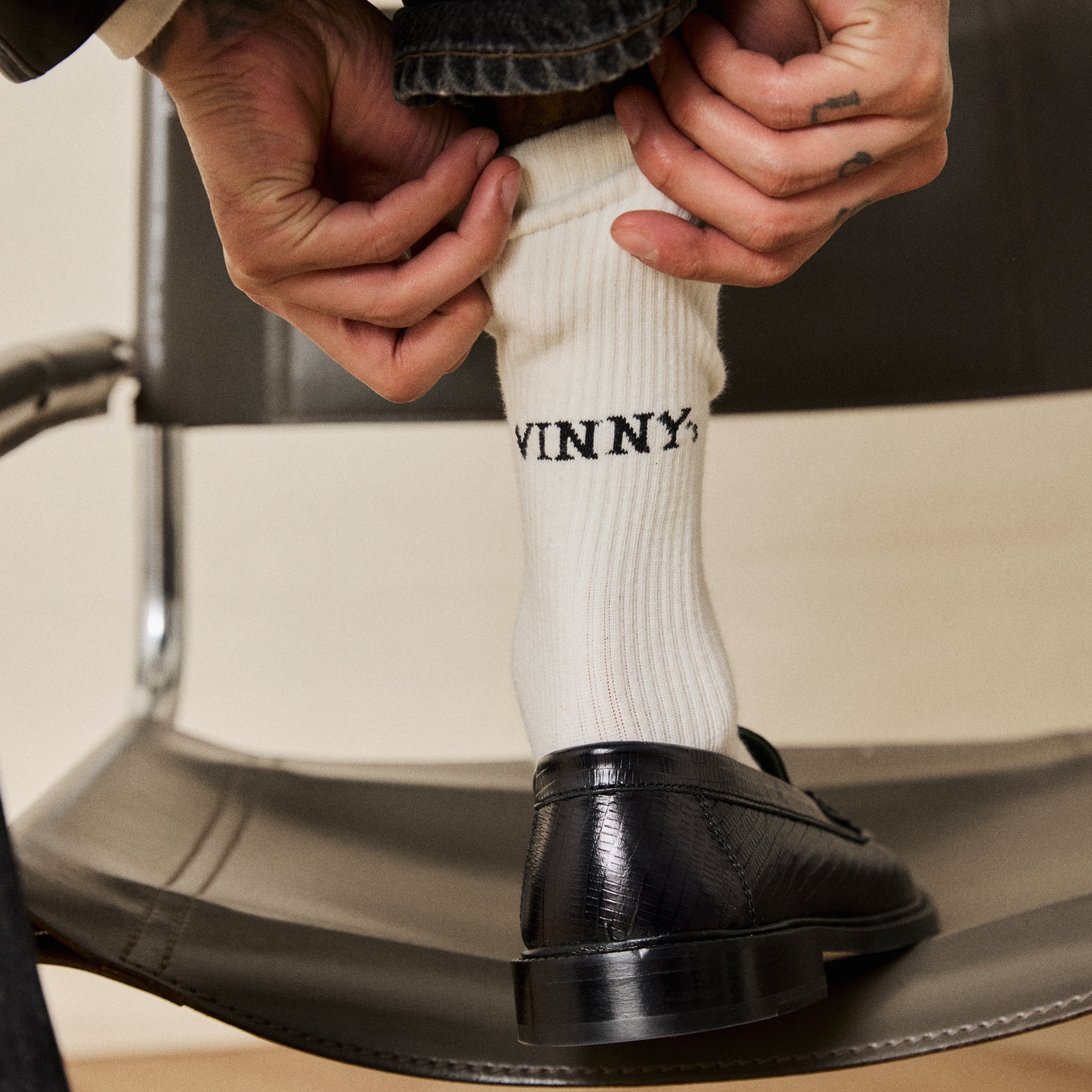
Put on a slightly thicker sock than usual for your first few wears. It gently stretches the leather from the inside and reduces pressure on new contact points.
Short outings first
Ease into outdoor wear with short walks or errands - an hour or two at a time. Increase duration daily as the shoe softens and the shape settles around your foot.
Rest between wears
Never wear new leather shoes two days in a row. Giving them a day off during break-in lets the leather recover and breathe - and speeds up the molding process.
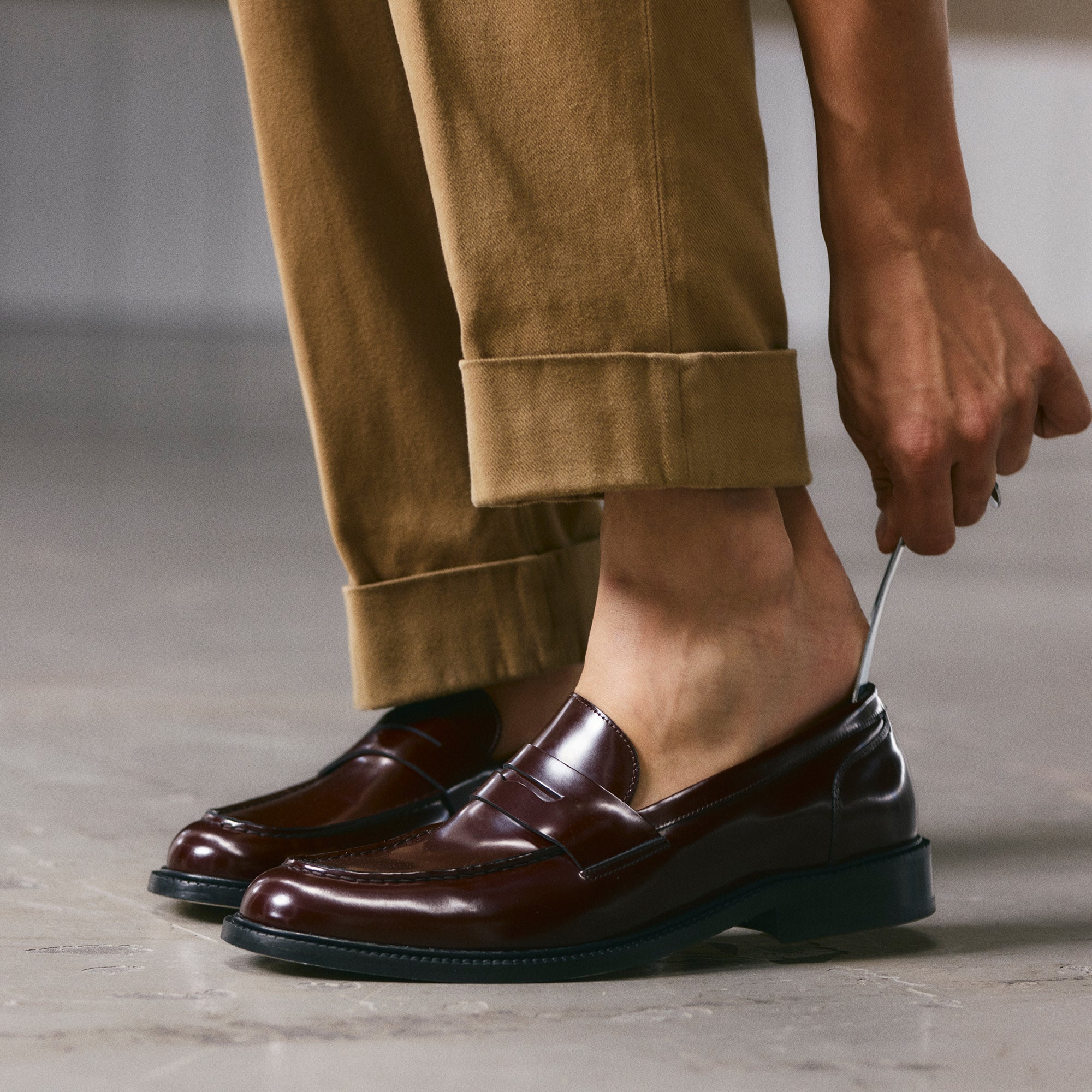
Use a shoehorn
Always use a shoehorn when putting them on - especially in the early days. It protects the heel counter and ensures you're not crushing the structure of the shoe.
Apply balm early
Apply a thin layer of leather balm before your first wear. It softens the leather from the outside, reduces friction on pressure points, and primes the surface for future care.
The care ritual.
Three tools, done right, in the right order. A small routine once a month keeps your VINNY's looking sharp for years.
Remove dirt first
Before anything else, use a dry horsehair brush to remove surface dust and dried dirt. Always brush in long, consistent strokes following the grain of the leather. Never skip this step - applying product over dirt traps it in the leather.
Nourish the leather
Apply a small amount of leather balm or conditioner with a soft cloth in circular motions. Let it absorb for 10-15 minutes. Balm restores moisture and suppleness, prevents cracking, and keeps the leather from drying out - especially important in winter or dry climates.
Bring back the shine
Once the balm has been absorbed, use a clean horsehair brush or soft cloth to buff the leather in brisk, back-and-forth strokes. This brings up a natural shine and ensures the product is worked evenly into the surface.
Seal with spray
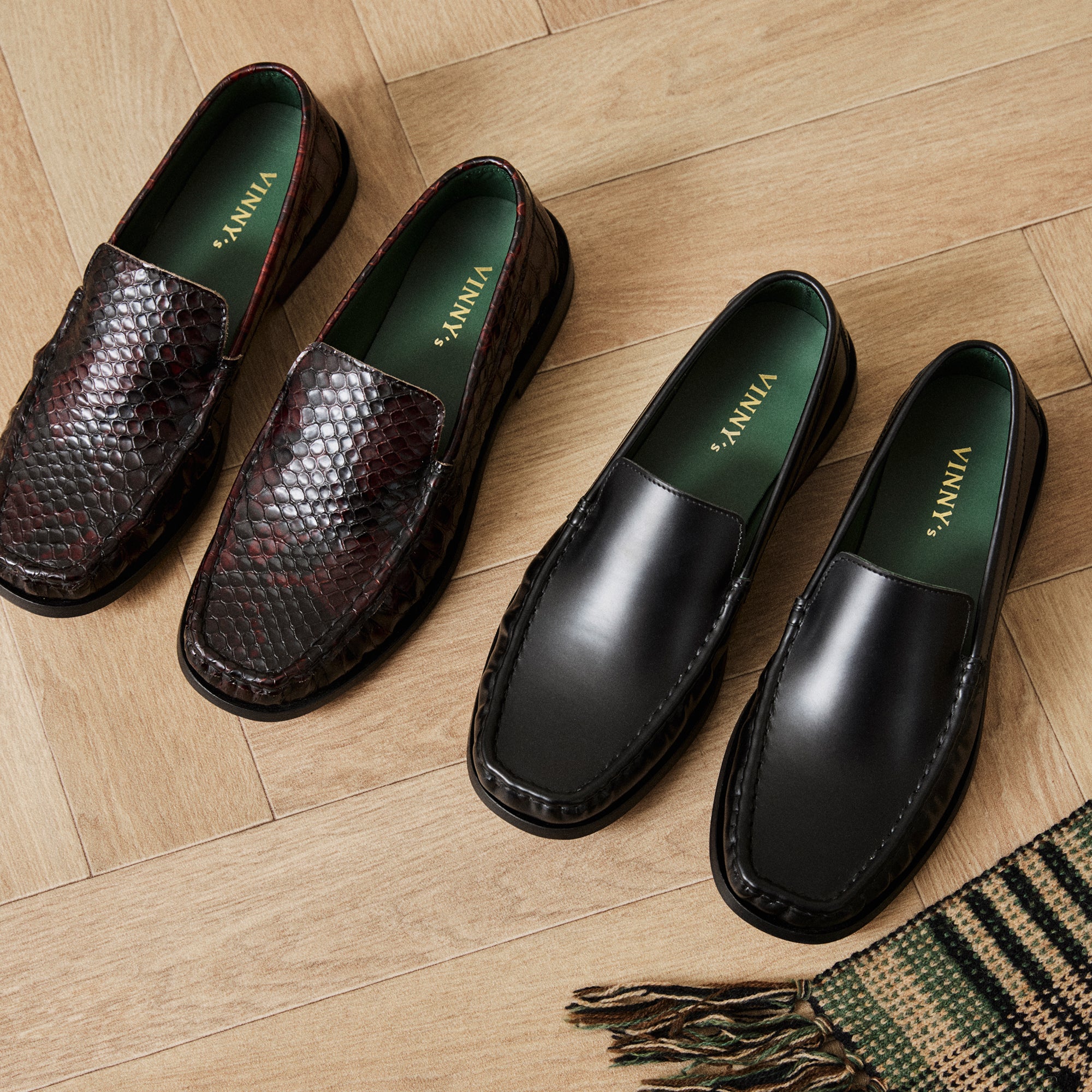
Finish with a quality protection spray, holding the can 20-25 cm from the shoe and applying in even, sweeping passes. Let dry for 10 minutes before wearing. Reapply every 4-6 weeks - or immediately after exposure to heavy rain. Note that protection spray should not be used on Polido leather - the high-gloss finish does not absorb spray well and can turn cloudy. For Polido, a light leather cream is all you need.
What you need
Four tools and a little consistency - that's all it takes. Keep these in a small bag or box alongside your shoes and the routine becomes second nature.
A medium-stiffness brush for both cleaning and buffing. Use a separate brush for each function if you can.
A neutral conditioner suitable for smooth leathers. For colored leather, use a tinted cream to refresh the shade. Avoid petroleum-based products - they clog pores.
A water and stain repellent spray for leather and suede. Always test on a hidden area first. Essential for suede and ponyhair styles.
A lint-free cotton cloth for applying balm and buffing. An old T-shirt works perfectly.
Dressed for every city.
Your shoes move through the same seasons you do. Here’s what to watch for throughout the year.
Rain & mud
Spring showers are your shoes' biggest test. Apply protection spray before each outing. If they get wet, stuff with newspaper and let dry at room temperature - never near a radiator. Wipe off mud before it dries.
Heat & sweat
Heat dries out leather. Condition more frequently in summer - at least once a month. Avoid prolonged direct sun, which fades colour. Rotate pairs to allow full drying between wears. Cedar shoe trees are your friends in the humidity.
Leaves & puddles
The transition season. Re-apply protection spray as temperatures drop and rain returns. Check the soles - wet leaves are slippery on worn rubber. A good time to visit the cobbler before the hard season starts.
Salt & cold
Road salt is leather's worst enemy - it dries and stains the surface fast. Wipe your shoes down after every winter outing with a damp cloth. Avoid prolonged exposure to snow. Consider rotating to a more robust sole in deep winter.
When they rest.
How you store your shoes between wears is just as important as how you care for them. Here’s the setup.
Shoe trees
Insert cedar shoe trees immediately after taking your shoes off. They absorb moisture, neutralise odour, and maintain the shoe's shape as the leather dries. Cedar is ideal - it breathes and has natural antibacterial properties. Use them every time.
The original box
Store your VINNY's in their original box. The lid keeps dust off while still allowing air to circulate - unlike plastic bags or airtight containers, which trap moisture and breed mold. Punch a few small holes in the box if you live in a very humid climate.
Cotton dust bag
For longer storage - between seasons, while travelling, or simply when keeping them pristine - wrap each shoe in its cotton dust bag. It protects against scratches, light and dust while allowing the leather to breathe. Never use plastic.
The shoe that never ends.
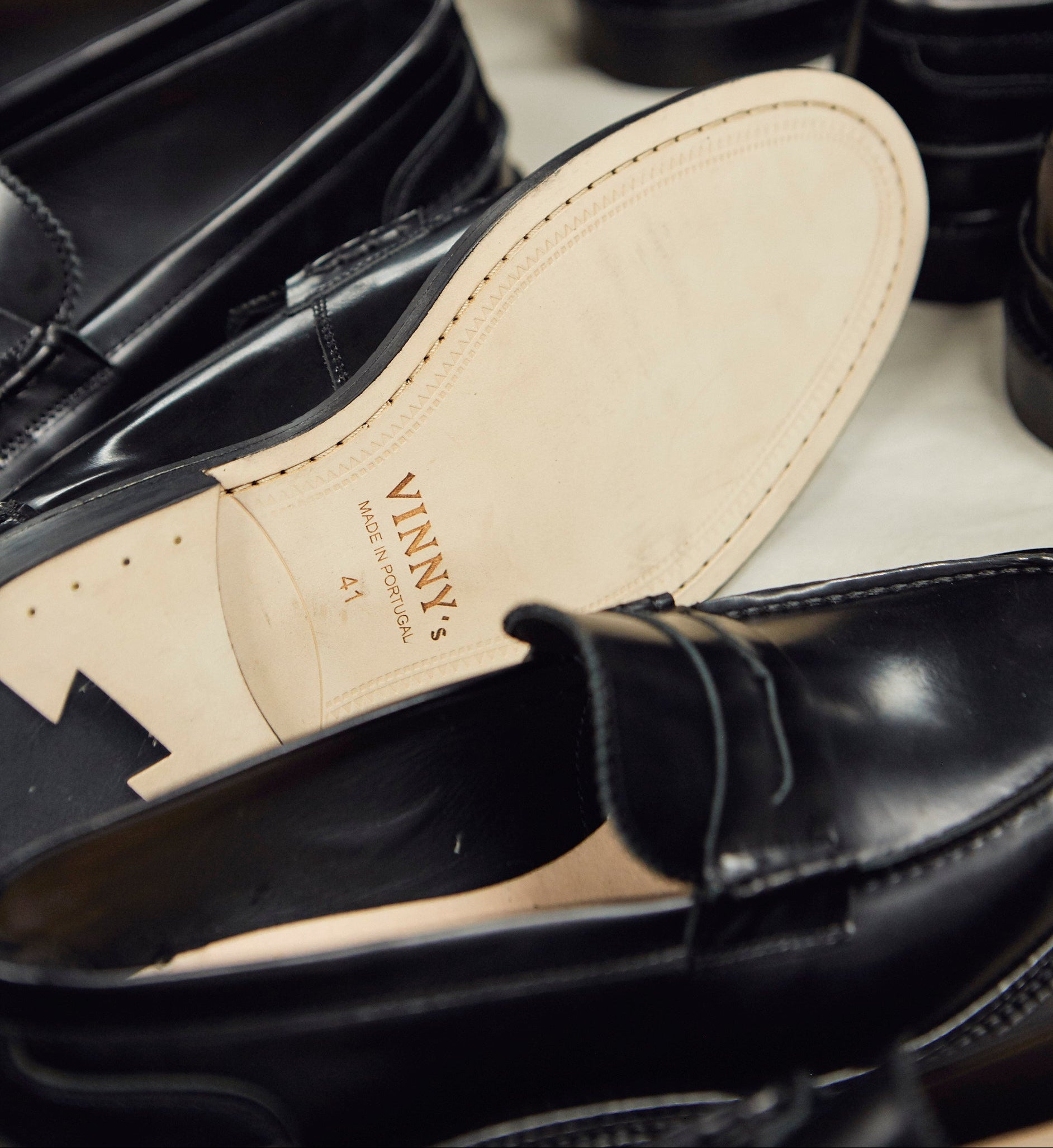
The sole and heel are the first things to wear out - but a good cobbler can keep your VINNY's going strong for years. We recommend visiting once a year for a check-up, and paying attention to wear before it becomes a bigger problem.
On leather-soled styles, we strongly recommend having a cobbler apply a rubber topy - a thin rubber overlay to the front of the sole - before or shortly after your first wear. It protects the leather from abrasion and significantly extends the life of the shoe. The heel tip can also be replaced when worn down, so keep an eye on it and don't wait too long.
Note that full sole replacement is not possible on VINNY's shoes - so the best way to protect your investment is to act early, before wear reaches a point of no return.
With the right cobbler and a little attention, a quality leather shoe can last a decade or more.